
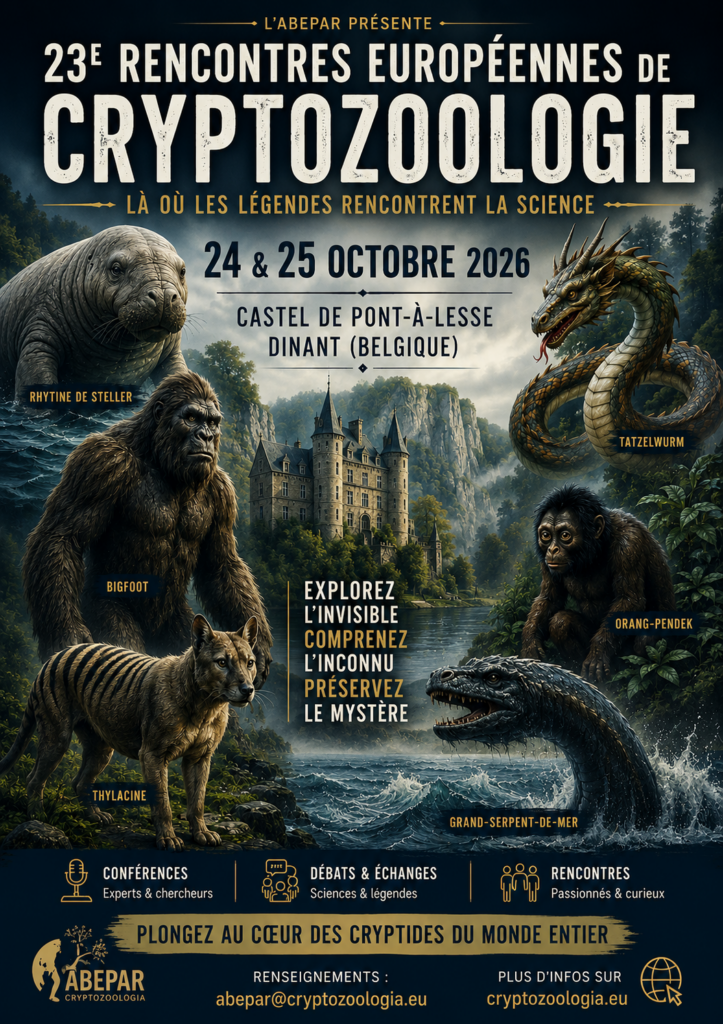
Le Programme
(les heures de passage sont encore provisoires)
Samedi 24 octobre
14h00 : Accueil
14 h 30 : Michel RAYNAL (Cryptozoologue– France) : “Vaches de mer boréales : survivance de la rhytine ou simples méprises ? (1ère Partie)” (En français, traduction en anglais)
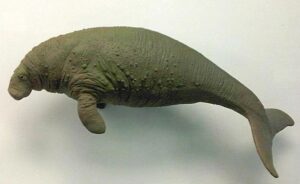 La rhytine ou vache de mer de Steller (Hydrodamalis stelleri), un grand mammifère marin (sirénien) découvert par Georg Wilhelm Steller en 1741 à l’île Bering, fut tellement chassée que la date de son extinction est fixée à 1768, seulement 27 ans après sa découverte. Pourtant, des rapports postérieurs à 1768 sur des « vaches de mer » ont été recueillis dans le nord Pacifique. Ils pourraient s’expliquer par des observations d’autres mammifères marins, mais la découverte d’ossements fossiles ou subfossiles de rhytine dans les mêmes régions laisse ouverte la question de sa survivance récente.
(Steller’s sea cow (Hydrodamalis stelleri), a large marine mammal (sirenian) discovered by Georg Wilhelm Steller in 1741 on Bering Island, was so heavily hunted that its extinction is generally accepted as occurring in 1768, just 27 years after its discovery. However, reports of « sea cows » in the North Pacific dating from after 1768 have been collected. These could be explained by sightings of other marine mammals, but the discovery of fossil or subfossil Steller’s sea cow bones in the same regions leaves open the question of its recent survival.)
15 h 20 : Reena POESCHEL (Germany) : “Tatzelwurm Expeditions 2018–2023″(en anglais avec traduction en français)
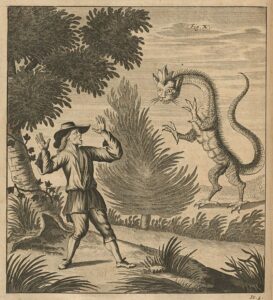 I will be presenting three expeditions focusing on the Tatzelwurm and its potential habitat. The main aim is to highlight the methodology and research design used to carry out the expeditions; however, I will also discuss the results, as, for example, we were able to resolve a specific sighting report whilst on site. I may also be able to include this year’s expedition/excursion to the Alps in the talk..
(Je présenterai trois expéditions consacrées au Tatzelwurm et à son habitat potentiel. L’objectif principal est de mettre en lumière la méthodologie et le protocole de recherche utilisés pour mener à bien ces expéditions ; toutefois, j’aborderai également les résultats obtenus, notamment la résolution d’un signalement d’observation précis sur place. Il se peut également que j’intègre à ma présentation l’expédition/excursion de cette année dans les Alpes.)
16 h 15 : Pause café
16 h 30 : Dr. Charles PAXTON (Great-Britain) : “ »Patterns in Reports of the New England Sea Serpent 1817-2026″“ (en anglais avec traduction en français)
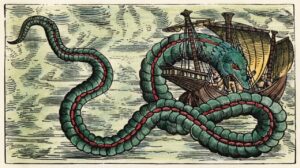 This talk will explore statistical patterns in reports of sea serpents from 1817 to the present.
(Cette conférence explorera les tendances statistiques des rapports sur les serpents de mer de 1817 à nos jours.)
17 h20 : Richard FREEMAN ( Cryptozoologue – Great-Britain) : “Death by Cryptid » (en anglais avec traduction en français)
I have hunted unknow animals all over the world, been stalked by tigers, attacked by cobras and met a 24 foot crocodile but i have never been afraid of or felt threatened by any cryptid. But there are rare accounts of humans being killed by unknown animals from reptilian sea monsters to relic hominins, from giant snakes to mystery predators rampaging across 18th century France. In this talk i look at monsters that have man on the menu.
(J’ai chassé des animaux inconnus aux quatre coins du monde, été traqué par des tigres, attaqué par des cobras et rencontré un crocodile de sept mètres, mais je n’ai jamais eu peur d’une créature cryptide ni ne me suis jamais senti menacé par elle. Pourtant, il existe de rares récits d’humains tués par des animaux inconnus, qu’il s’agisse de monstres marins reptiliens, d’hominidés reliques, de serpents géants ou de mystérieux prédateurs semant la terreur dans la France du XVIIIe siècle. Dans cette conférence, j’aborde le sujet des monstres qui ont l’homme à leur menu.)
19h 00 : Apéritif
19 h 30 : Banquet + soirée
Dimanche 25 octobre
09 h 45 : Accueil
10 h 00 : Reena POESCHEL (Germany) : “The Network for Cryptozoology in Germany »(en anglais avec traduction en français)
I will present an overview of the network’s work, ranging from publications and permanent exhibitions to conferences, and from its website and archives to expeditions. There will also be a preview of upcoming projects and information on how interested parties can get involved. With regard to Germany, I will furthermore show the range of cryptids that we can, so to speak, encounter right on our doorstep.”
(Je présenterai un aperçu des activités du réseau, des publications et expositions permanentes aux conférences, en passant par son site web, ses archives et ses expéditions. J’évoquerai également les projets à venir et expliquerai comment les personnes intéressées peuvent y participer. Concernant l’Allemagne, je montrerai en outre la diversité des créatures cryptides que l’on peut, pour ainsi dire, rencontrer tout près de chez soi.)
10h30 : Pause-Café
11 h 05 : Dr. Charles PAXTON (Great-Britain) : « What is the probability of bigfoot being discovered“ (en anglais avec traduction en français)
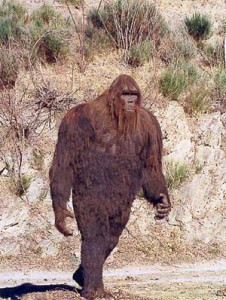 An application of statistics from medicine allows elucidation of the probabillity of bigfoot being discovered based on the discovery record so far. The best estimate of bigfoot discovery is zero but the upper bound could be as high as 5.8% based on current knowledge.
(L’application des statistiques médicales permet d’estimer la probabilité de découverte du Bigfoot à partir des découvertes recensées jusqu’à présent. La probabilité la plus probable est nulle, mais elle pourrait atteindre 5,8 % selon les connaissances actuelles).
12 h30 : Buffet
14 h 00 : Richard FREEMAN (Cryptozoologue– Great-Britain) : “Orang-Pendek: Sumatra’s Forgotten Ape“ (en anglais avec traduction en français)
 The story of my six expeditions to Sumatra in search of the upright walking, ground dwelling ape. From 2003 onwards i have entered deep into the rainforest looking for evidence and talking to witness. I’ve head it’s calls, found tracks and hair and had expedition members actually see the creature itself. I look at what the orang-pendek may be and where the evidence is pointing
(Voici le récit de mes six expéditions à Sumatra à la recherche de l’orang-pendek, ce singe bipède terrestre. Depuis 2003, je me suis enfoncé au cœur de la forêt tropicale, en quête de preuves et de témoignages. J’ai entendu ses cris, trouvé des empreintes et des poils, et des membres de l’expédition ont même aperçu la créature. J’étudie ce que pourrait être l’orang-pendek et où convergent les indices.)
14 h 50 : Adèle DAVID (Traductrice – France/Great-Britain) : “Mythes et Cryptides australiens“ (en français avec traduction en anglais)
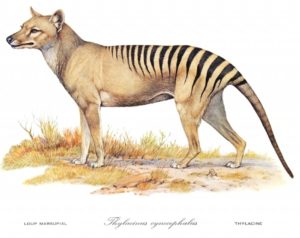 Si on vous dit « Australie », cela vous évoque… soleil, surf et évasion ? Ou plutôt araignées, requins et terreurs tropicales ? D’une superficie colossale, ce pays aux espaces et à la faune uniques au monde offre un terrain d’étude fascinant sur les espèces vivantes. On connaît l’ornithorynque ou le tigre de Tasmanie, mais qu’en est-il des autres créatures, réelles ou imaginaires, qui peuplent le territoire et l’imaginaire australien ?
Du Serpent arc-en-ciel au « drop bear », du bunyip au varan géant, embarquez pour un road-trip cryptozoologique à travers le temps et la mythologie. Dépaysement garanti !
(When you hear « Australia, » does it conjure up images of sun, surfing, and escape? Or perhaps spiders, sharks, and tropical terrors? This vast country, with its unique landscapes and wildlife, offers a fascinating field of study for living species. We know the platypus and the Tasmanian tiger, but what about the other creatures, real or imagined, that populate the Australian landscape and the Australian imagination?
From the Rainbow Serpent to the drop bear, from the bunyip to the giant monitor lizard, embark on a cryptozoological road trip through time and mythology. A complete change of scenery is guaranteed!)
15 h 45 : Pause-café
16 h00 : Michel RAYNAL (Biochimiste, cryptozoologue – France) : “Vaches de mer boréales : survivance de la rhytine ou simples méprises ? (2e Partie)” (En français, traduction en anglais)

Rhytine de Steller au Musée des Confluences
Pour rappel,la rhytine ou vache de mer de Steller (Hydrodamalis stelleri), un grand mammifère marin (sirénien) découvert par Georg Wilhelm Steller en 1741 à l’île Bering, fut tellement chassée que la date de son extinction est fixée à 1768, seulement 27 ans après sa découverte. Pourtant, des rapports postérieurs à 1768 sur des « vaches de mer » ont été recueillis dans le nord Pacifique. Ils pourraient s’expliquer par des observations d’autres mammifères marins, mais la découverte d’ossements fossiles ou subfossiles de rhytine dans les mêmes régions laisse ouverte la question de sa survivance récente.
(Steller’s sea cow (Hydrodamalis stelleri), a large marine mammal (sirenian) discovered by Georg Wilhelm Steller in 1741 on Bering Island, was so heavily hunted that its extinction is generally accepted as occurring in 1768, just 27 years after its discovery. However, reports of « sea cows » in the North Pacific dating from after 1768 have been collected. These could be explained by sightings of other marine mammals, but the discovery of fossil or subfossil Steller’s sea cow bones in the same regions leaves open the question of its recent survival.)
16 h 50 : Clôture